
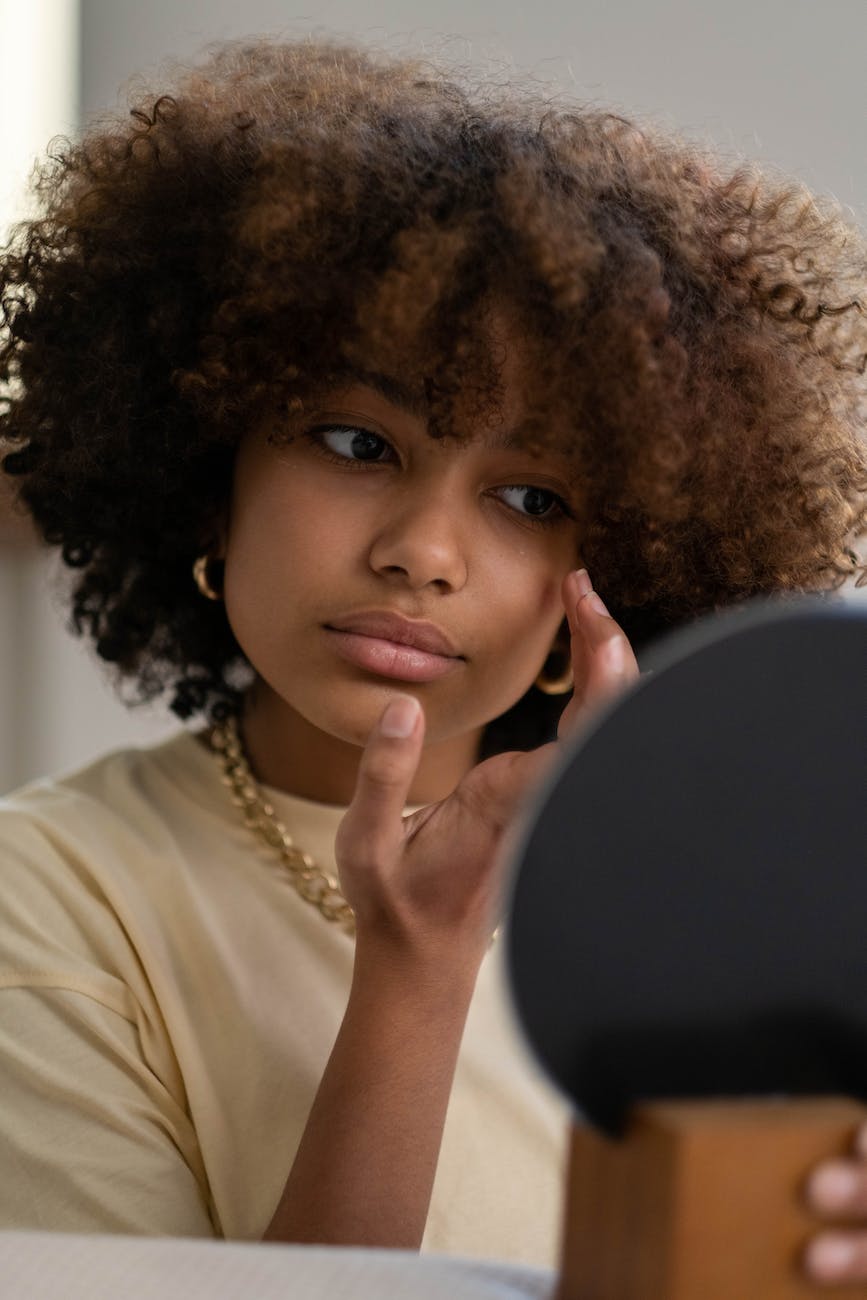
It’s May 2010, and Geiselle is excited.
She’s about to buy her first powder foundation. Ready to hide the blemishes and glow the hell up. Complexion perfection.
But she’s got a problem.
Not quite dark enough for the darker tones. Not light enough for olive. Endless brands — yet the foundation colours are very similar.
She’s scratching her head by the time she’s at the makeup counter. Overwhelmed and underwhelmed, all at once. So many lighter shades — where are all the mid and darker options?
Golden? Biscuit? She doesn’t have time for this.
With a hopeful, polite smile, she approaches the assistant, and after sampling a few tones, they agree — her perfect shade doesn’t exist…has she tried “Golden Biscuit?”
They mix the 2 closest shades into a Frankenpowder (covering the counter in a sandstorm of golden copper).
Only one thing for it: buy both shades. Her bank account winces.
And then, 2 months later, Summer‘s in full swing. Geiselle gets baked in the sun. Her new shade leaves her looking ready for the long sleep in a snug box.
It gets retired to the cupboard. And a disenchanted Geiselle (movie pun unintended), exhausted by the experience, gives up.
Maybe foundation just isn’t for her.
Have you ever felt left out by the beauty industry?
The power of Black-owned beauty brands
Diversity and representation
Paying for 2 different foundations where others only have to pay for one? I don’t want to say “profiting from underrepresentation.” Except I do. Because that’s exactly what happened.
Think carefully about the images you use to represent your business. You probably have your own story of finding a Black-targeted product using only White or light-skinned models in their adverts. Or switching on the TV, only for the hair texture most like yours to be shown as the “before” for some frizz control product.
It sends a message: our looks are a problem to be fixed. Conform.
We know the beauty industry thrives on their customers’ insecurities. But the pressure to comply with Eurocentric beauty standards — through what’s available in the shops and what’s shown on our screens — damages Black peoples’ self-esteem & image on a whole other level. And it’s relentless.
The beauty industry can be inclusive of Black people by celebrating and showcasing visual characteristics, including:
- Different skin tones
- Different hair textures (including tight curls and kinks).
Looking after the economy and environment
Climate change is on the mind of every eco-conscious customer checking out your establishment. You might not be the biggest, baddest business going, but by implementing sustainable practices — think less water and waste — you can do your part to nurture the environment.
Black-owned businesses play their part in creating jobs and revenue for local Black communities. It has a knock-on effect: success attracts more success (i.e. investment and development opportunities).
Demonstrate ethics and values
There’s plenty of ways to show your passion for social issues through ethical practices. You might want to give back to local communities, or create high-quality products.
Supporting communities further from home can be done by going Fairtrade. This certification maintains ethical farming and vendor practices, protecting human rights and the environment. Fairtrade products also ensure better working conditions and fair wages for workers, compared to larger brands that often use sweatshops and underpay their workers. Choosing Fairtrade is a great way to reflect your social values.
Fairtrade Black-owned businesses ethically pick up ingredients you can’t source yourself. When I was a student during my mixtress days, curiosity (and lack of local availability) led me into some experimenting. Chasing my healthy hair dreams by combining homemade and shop-bought ingredients. And more recently, post-pregnancy, I tried a concoction to lighten a dark patch on my lip. It didn’t work. And god knows what was in the shop-bought ingredients.
Homemade cosmetics feel special in their own way. Like witchcraft. But it’s time-consuming (and wasteful) when efforts don’t pay off. And without research it’s easy to end up paying for poorly sourced ingredients.
The takeaway? Sustainable Black-owned local brands save time for eco-conscious customers — doing the legwork (so they don’t have to).
The young roots of Black-owned sustainable brands
Let’s start with a question: why do customers abandon brands?
You might’ve heard of P&G’s recent acquisition of Mielle. It was all over social media. Some said they felt warning signs years ago. It was a mess.

When White-owned corporations get involved with Black businesses, a sense of unease or betrayal usually follows. Will they change the products? Will the old faves constantly be out of stock?
New ownership often means new formulas (but not in this case. Apparently). When your customers have found a holy grail product, after years of trial and error, change can leave a bitter taste.
There’s a feeling of going mainstream: trying to appeal to the many while alienating the loyal who stuck by you.
Companies like Shea Moisture and Carol’s Daughter lost customers in their shake-ups — many boycotted their products altogether.
Many sustainable Black-owned businesses are young because of this.
Often Black business owners sell their businesses as they grow. Leaving less generational wealth and investment for the Black communities around them. Choosing to sell your business isn’t necessarily bad, but when you’re already in the minority — your absence will be felt. There’s a pressure to “show up” for your people. Another sign of systemic racism at play when White-owned businesses can sell-up relatively guilt-free.
Which is why you’ll get no high-horsery from me.
There’s other factors at play, too. Across the pond, Black-owned sustainable beauty businesses are still pretty new here in the UK. Why? Curiously Conscious summed it up best:
Sustainability, is an issue that can only be addressed when other, more pressing needs have been met.
When a system mainly benefits White people, it grants them the “luxury” of worrying about broader issues. Like Maslow’s Hierarchy of Needs. It’s easier to focus on self-improvement if your basic needs (food, water, shelter) are met first. Education and growth can’t have your full attention if you’re hungry.
All the same, while a White-dominated industry, there’s more support for Black-owned businesses now. More customers than ever are buying ethically — giving more attention to previously underrepresented social groups.
Supporting other Black-owned sustainable beauty brands
Don’t be afraid to put out feelers for other Black-owned businesses. It’s easy to see others as competitors, but this mindset can stifle your growth too. Reaching out is a chance to share resources, successes and commiserations with each other. Grow together.
Show other businesses support by:
- Partnering up via collaborations (guest posts or products)
- Amplify voices (use your platform to boost other Black-owned brands)
- Support Black-owned businesses in your local community.
Check out some online directories, like Black2Business and social media hashtags. Community is at your curious fingertips.
Your part in growing the community.
Black-owned sustainable beauty brands and their ethical, eco-conscious practices are truly changing the world. As a Black entrepreneur, your very presence promotes diversity and sustainability in the beauty industry while giving customers the option to support smaller, local businesses. A chance to give back to their communities.
The beauty industry needs you, and now you know why. If you’re curious about stepping up your game. Check out 6 simple tips for being a sustainable Black beauty brand.
Like this post? Continue the conversation either in the comments or over on Twitter.
 The Copy Mixtress